Author: Torbjørn Ekrem

  • Capacity building on DNA barcoding in Africa and Central America

    Staff from the two NorBOL-institutions NTNU University Museum and the University Museum of Bergen has over the last six months participated in the organization of three successful workshops on DNA barcoding. The workshops were held in Grahamstown (South Africa), Bergen (Norway) and at La Selva biological station (Costa Rica) in collaboration with partners from the South African Institute of Aquatic Biodiversity, University of Vigo and the Organization for Tropical Studies, respectively. The meetings were held as part of the project ”Capacity building in modern taxonomy as an instrument for knowledge transfer in IPBES” and partly funded by the Norwegian Environment Agency’s initiative on knowledge transfer for the UN Intergovernmental Platform on Biodiversity and Ecosystem Services (IPBES). The workshops contained lectures on the charactersistics and applied use of DNA barcode data and gave the participants hands-on experience with the creation and management of samples and DNA barcodes in the Barcode of Life Data Systems (BOLD). Lots of positive feedback was received during and after the workshops!

    The workshop in Grahamstown took place at SAIAB with about 20 enthusiastic participants from all over South Africa in addition to the organizers. The main focus was on freshwater diversity.

    The Bergen workshop was held at Espegrend marine biological station south of the city and gathered participants from Ghana, Nigeria, Ivory Coast, Mauritania, Spain, Portugal, Germany, Russia and Norway. Focus was on marine invertebrates collected over a large area along the coast of West Africa. Read more about this project on the blog available here:
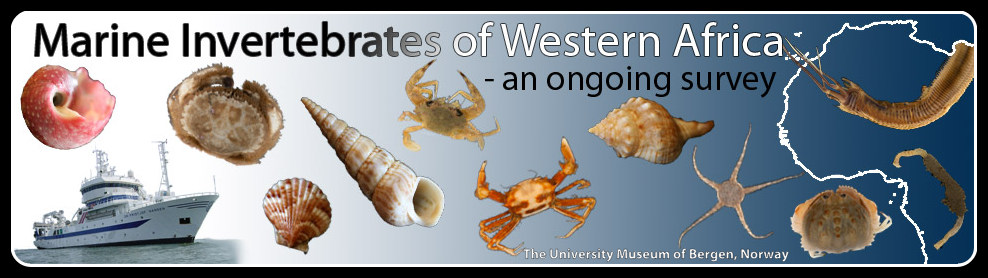
    Africa-banner21

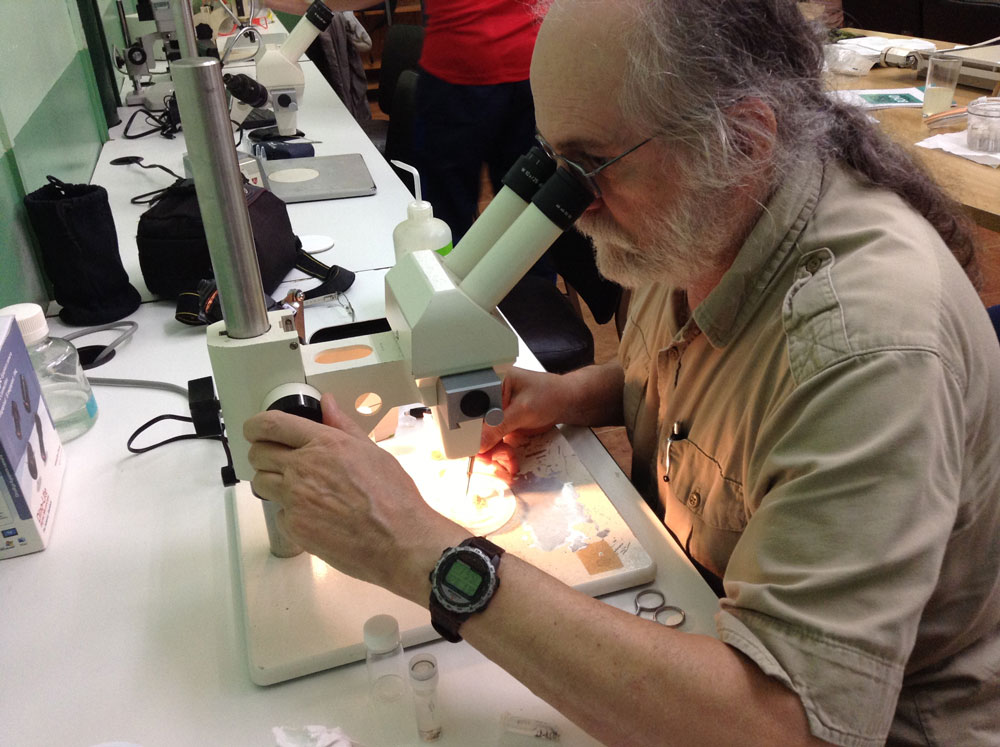
    The La Selva biological station north of San José hosted the workshop in Costa Rica. 18 participants from Costa Rica, Equador, Mexico, Norway, Panama Puerto Rico and USA, all working on aquatic insects, contributed to the success of this meeting. Here John H. Epler is identifying chironomids from Costa Rica:
    Epler_workshopCR

  • Kapasitetsbygging i Afrika og Mellom-Amerika

    NorBOL institusjonene NTNU Vitenskapsmuseet og Universitetsmuseet i Bergen har i løpet av de siste seks månedene vært med-arrangører av tre vellykkede workshoper på DNA-strekkoding. Møtene ble holdt i Grahamstown, Bergen og ved La Selva biologiske stasjon i samarbeid med partnere fra Sør-Afrika, Vest-Afrika, Spania og Costa Rica, og var en del av prosjektet ”Capacity building in modern taxonomy as an instrument for knowledge transfer in IPBES”. Initiativet er delfinansiert gjennom Miljødirektoratets satsning på kunnskapsoverføring knyttet mot FNs Naturpanel for biodiversitet og økosystemtjenester. På all møtene ble bakgrunn, omfang og anvendbarheten av DNA-strekkoding presentert og diskutert, men det ble også lagt stor vekt på det praktiske arbeidet med organisering, registrering, billedtaking og innsending av prøver. Øvelser med analyse av offentlig tilgjengelige strekkodedata i Barcode of Life Data Systems (BOLD) ble også gjennomført, og bruk av DNA-strekkoding i ulike områder av naturforvaltningen ble presentert.

    Workshopen i Grahamstown fant sted i lokalene til South African Institute of Aquatic Biodiversity (SAIAB) med rundt 20 entusiastiske deltakere fra hele landet i tillegg til organisatorene fra Sør-Afrika og Norge. Taksonomisk hovedfokus var på organismer i ferskvann.

    Workshopen i Bergen samlet deltakere fra Ghana, Nigeria, Elfenbenskysten, Mauritania, Spania, Portugal, Tyskland, Russland og Norge på Espegrend marinbiologiske stasjon. Innsamlede marine invertebrater fra et stort område langs Afrikas vestkyst ble sortert, identifisert of strekkodet. Les mer om workshopen på prosjektets blogg her:

    Africa-banner21

    Workshopen i Costa Rica ble holdt på La Selva biologiske stasjon et par timers kjøring nord for hovedstaden San José. 18 deltakere fra Costa Rica, Equador, Mexico, Norge, Panama, Puerto Rico, USA deltok; alle jobbet med ferskvannsinsekter. Bildet viser John H. Epler i gang med identifisering av fjærmygg fra Costa Rica.

    Epler_workshopCR

  • Education and DNA Barcoding

    Societies’ knowledge of biological and genetic diversity is crucial for nature conservation and sustainable development. The International project on DNA Badcoding (iBOL) has therefore developed an own program for the education and the barcode of life. The program ensures a risk-free environment where students can explore data from their barcode projects and directly compare with actual research data in BOLD. This is made possible through an own student portal (BOLD-SPD) and program website with special functions for both teachers and students. Read more about  Education & the Barcode of Life (eBOL) by clicking on the below image. A paper on the project was recently published in PLOS Biology.

    Education & the Barcode of Life


  • DNA strekkoding for skoleelever

    Kunnskap om biologisk mangfold og genetisk diversitet er svært viktig for samfunnets evne til å ta vare på naturen og for bærekraftig utvikling. Det internasjonale prosjektet på DNA-strekkoding (iBOL) har derfor utviklet et eget program for undervisning og “livets strekkoder”. Programmet sikrer en risikofri kopling mellom studentprosjekter og faktiske forskerdata i BOLD gjennom en egen undervisningsportal (BOLD-SPD) og har tilrettelagte funksjoner for både lærere og elever. Les mer om Education & the Barcode of Life (eBOL) ved å klikke på bildet under. En artikkel om prosjektet ble nylig publisert i PLOS Biology.

    Education & the Barcode of Life


  • The International Barcode of Life Conference

    oPDOmGJO_Left


    The 5th International Barcode of Life conference in Kunming marks the 10-year anniversary for DNA barcoding as an world-wide initiative. The progress during this time has been immense and DNA barcoding is now used in for instance research, biomonitoring, border control, food safety, education and citizen science. For this reason I have high expectations for the meeting in Kunming. An official program is not yet ready, but an unpublished draft that I have seen promises very interesting sessions and many high profile researchers for the invited talks. News and updates are regularly posted on the conference website: www.dnabarcodes2013.org. Submission deadline for abstracts is July 31, while early registration deadline is September 15.

    Torbjørn

  • Den internasjonale konferansen på DNA-strekkoding

    oPDOmGJO_Left

    De internasjonale konferansene på DNA strekkoding holdes hvert andre år, og årets event markerer dermed at det er 10 år siden DNA-strekkoding ble en verdensomspennende aktivitet. Som deltaker på de to siste konferansene har jeg store forventninger til møtet i Kunming, ikke minst siden det har vært en enorm utvikling i anvendelsen av DNA strekkoder de siste årene. Programmet til konferansen er ennå ikke helt klart, men et uoffisielt utkast lover mange interessante sesjoner og anerkjente forskere til inviterte foredrag. Følg med på oppdateringer og nyheter på konferansens nettsted: www.dnabarcodes2013.org. Innsendefrist for abstracts til konferansen er 31. juli og frist for tidligregistrering er 15. september.

    Torbjørn

  • Welcome to the new NorBOL web pages!

    It is a pleasure to be able to announce the new web pages for the Norwegian Barcode of Life Network (NorBOL). On these pages we present DNA barcoding and DNA barcode projects in Norway and will give regular progress updates on the barcode library of Norwegian species.

    The use of DNA barcoding in biodiversity research has seen a marked increase over the last few years, also in Norway. Currently, nearly 100 different DNA barcode projects have been registered by NorBOL. Most of these deposit or have deposited sequence data and accompanying information in the Barcode of Life Data Systems (BOLD) and are included in the progress update presented on these pages.

    Thanks for visiting our pages and please don’t hesitate to contact us in case you would like to contribute to NorBOL!

    Torbjørn

  • Velkommen til nye nettsider for NorBOL!

    På disse sidene vil vi samle relevant informasjon om DNA-strekkoding som metode og om pågående prosjekter i Norge. Ikke minst har vi som mål å være oppdatert på fremdriften i strekkodebiblioteket over norske arter og håper mange lesere vil finne dette verdifullt.

    Bruk av DNA strekkoder i forskningsprosjekter på biologisk mangfold i Norge har økt betydelige de seneste årene og NorBOL har i skrivende stund registrert nærmere 100 separate strekkodeprosjekter i Norge. De fleste av disse leverer eller har levert data til Barcode of Life Data Systems (BOLD) og kommer med i den jevnlig oppdaterte fremdriften som presenteres på NorBOLs nettsider.

    Takk for besøket og ta gjerne kontakt om du ønsker mer informasjon eller vil bidra til NorBOL!

    Torbjørn

Translate »
