Author: Torbjørn Ekrem

  • Winner of NorBOL’s photo challenge

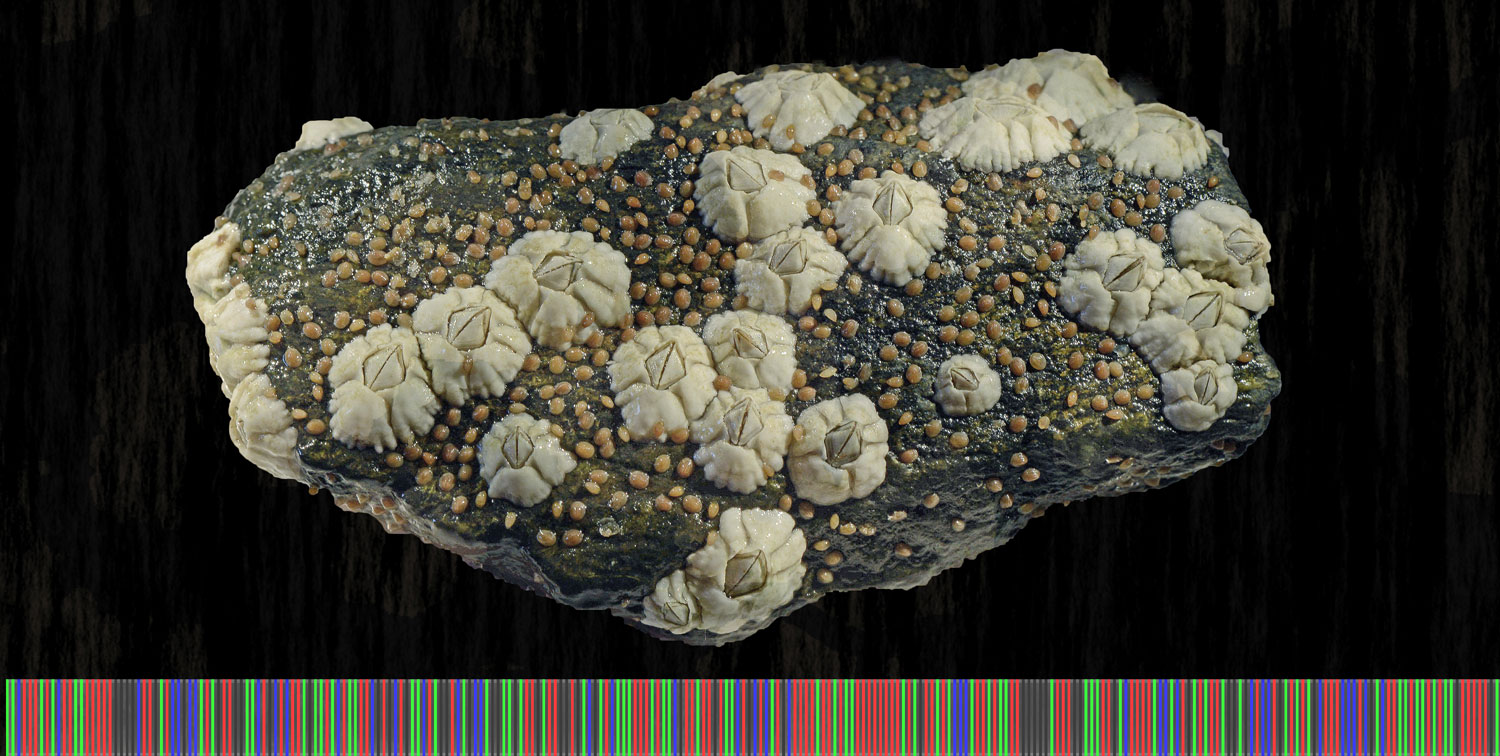
    We congratulate Prof. Henrik Glenner at the Department of Biology, University of Bergen as the winner of NorBOL’s photo challenge! His photo will illustrate the front page of norbol.org.

    Semibalanus_settlement_barcode-webColony of Semibalanus balanoides with recently settled larvae and associated DNA barcode. Photo: Henrik Glenner CC-BY.

  • Vinner av NorBOLs fotokonkurranse

    Vi gratulerer Prof. Henrik Glenner ved Institutt for biologi, Universitetet i Bergen som vinner av NorBOLs fotokonkurranse! Bildet vil pryde forsiden på norbol.org og krus og skjerf er på vei i posten.

    Semibalanus_settlement_barcode-webKoloni av Semibalanus balanoides med nylig bunnslåtte larver og DNA strekkode. Foto: Henrik Glenner CC-BY.

  • Halfway there

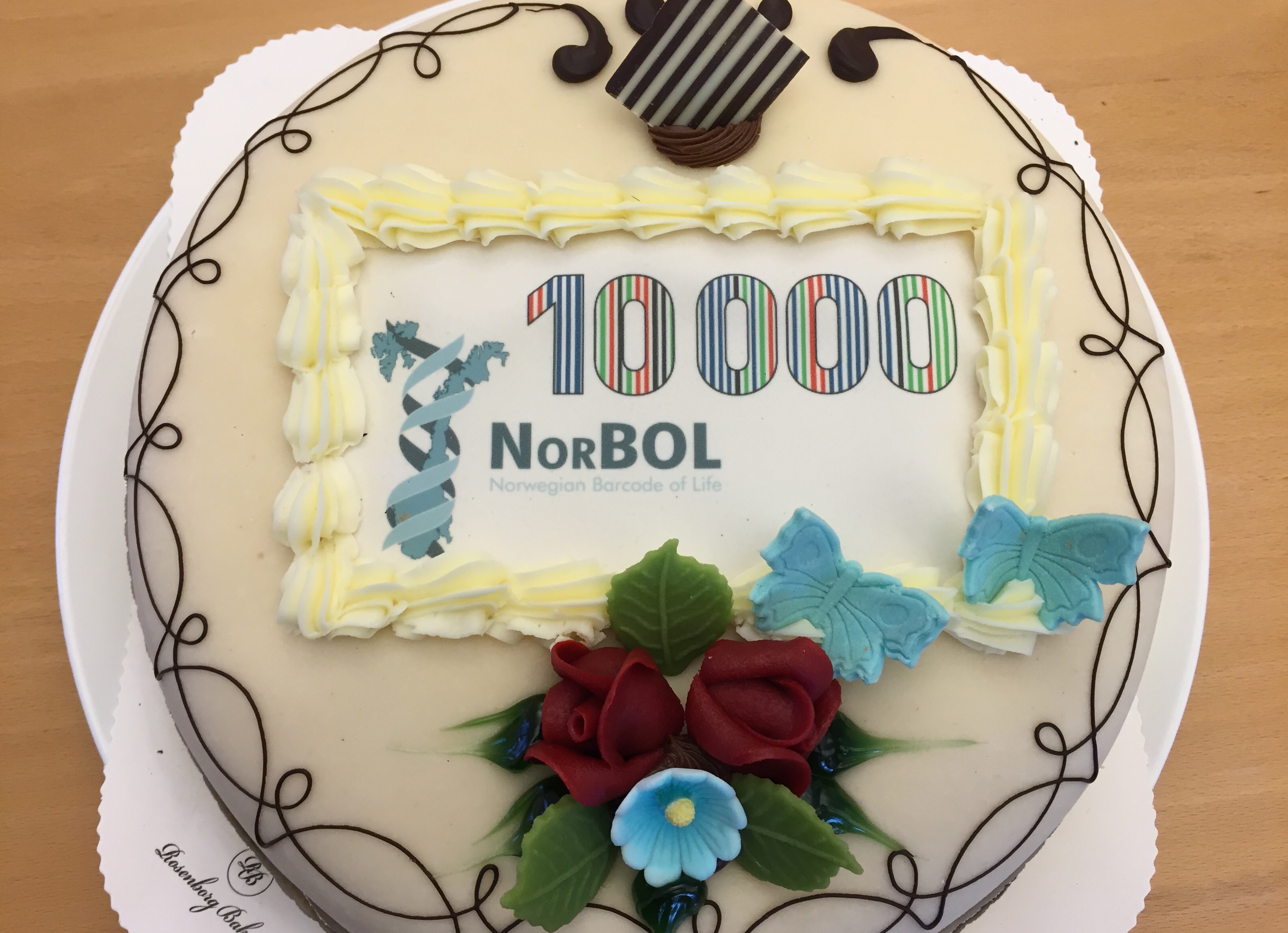
    Congratulations to NorBOL for reaching 10 000 barcoded species! We are now halfway to our target of DNA barcoding 20 000 species from Norway. The benchmark was celebrated at the NorBOL steering group meeting in March and covered by the journal Gemini and forskning.no. Congratulations to everyone involved!

    NorBOL-cakePhoto: Torbjørn Ekrem, graphics: Elin Sandbakk, NTNU Vitenskapsmuseet. CC-BY.

  • Halvveis til målet

    Gratulerer til NorBOL med 10 000 arter! Vi er nå halvveis til målet om å DNA strekkode 20 000 arter fra Norge. Begivenheten ble feiret på NorBOLs styringsmøte i mars og markert med artikkel i Gemini og forskning.no. Gratulerer til alle involverte!

    NorBOL-cakeFoto: Torbjørn Ekrem, grafisk utforming: Elin Sandbakk, NTNU Vitenskapsmuseet. CC-BY.

  • Students map insect diversity in the Botanical Garden in Oslo

    NorBOL and the Natural History Museum in Oslo have this winter worked together with a biology-class at Hersleb upper secondary school in doing an invetory of the insect diversity in the Botanical Garden.
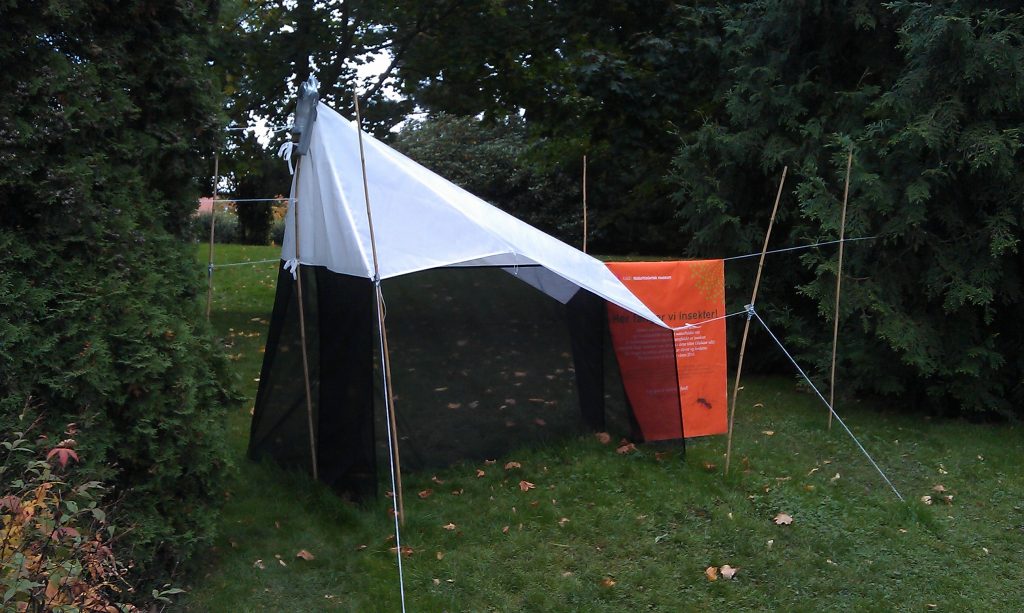
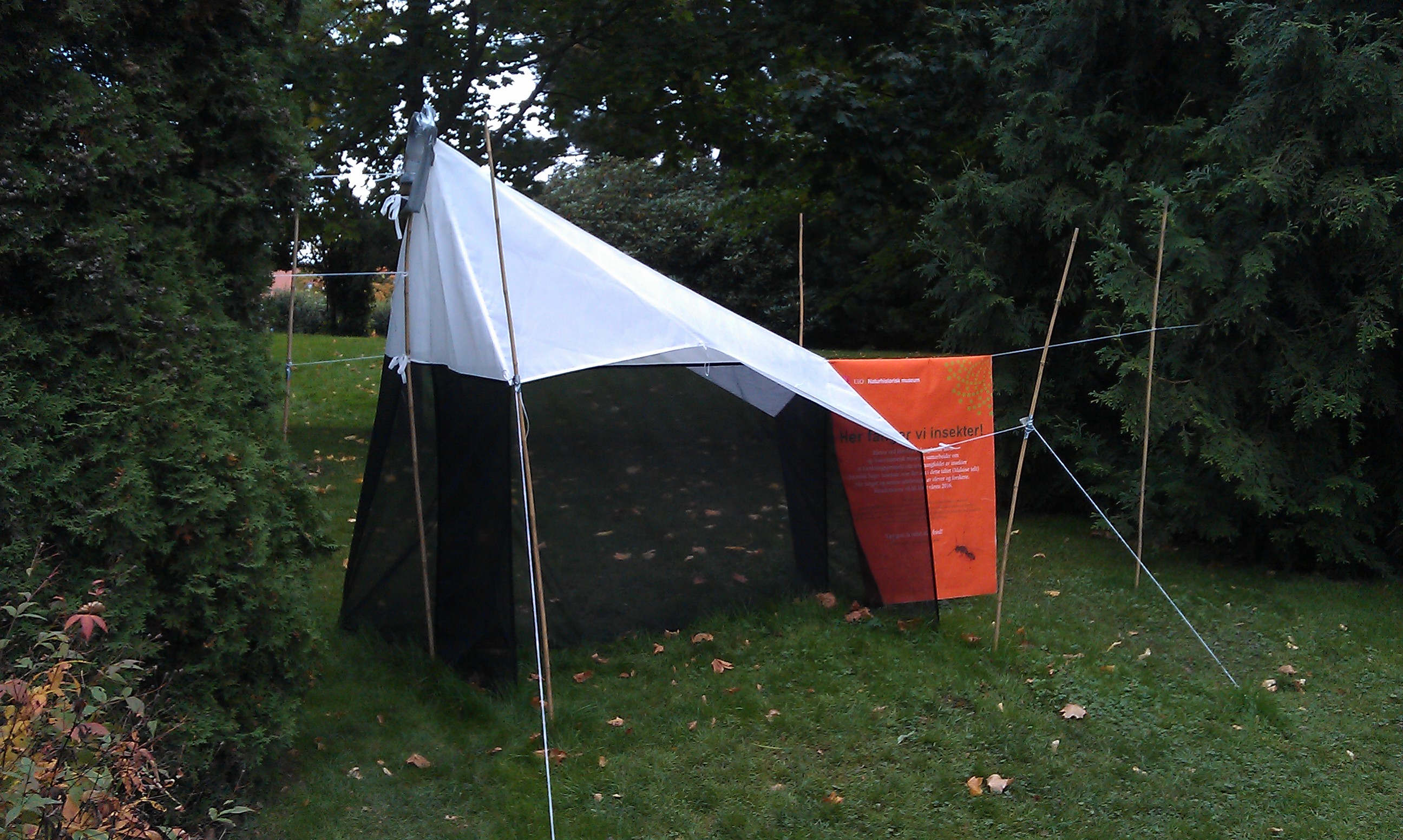
    Malaisefelle bot hageThe Malaise trap in the Botanical Garden in Oslo. Photo Gunnhild Marthinsen (CC-BY).

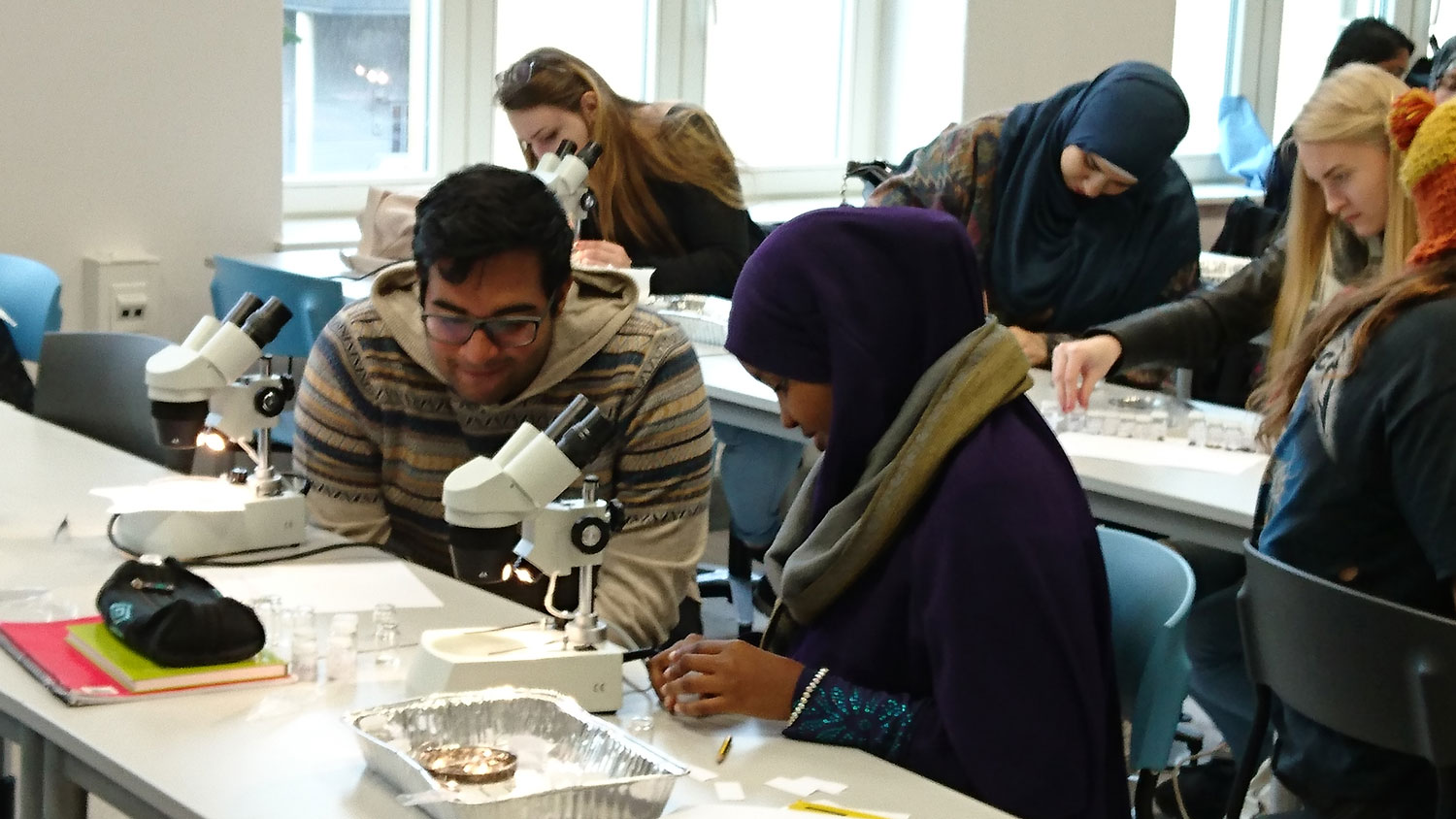
    Last August, the students deployed a Malaise-trap in the garden and helped collecting the samples. They then sorted the insects to what they thought were different species based on appearance. One hundred and fifty animals were sampled and sent to the Centre for Biodiversity Genomics in Guelph for sequencing.

    The students will now compare the sequencing results with their own identifications.
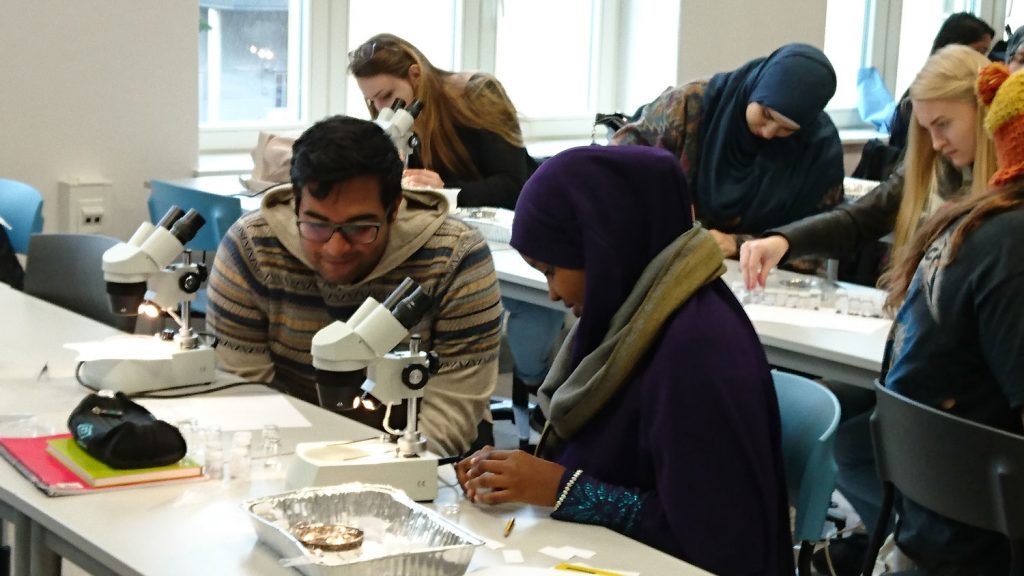
    sortering-labEager students sort the Malaise Trap samples. Photo Gunnhild Marthinsen (c).

    Through this project the students learn about species diversity and DNA analyses. They experience how difficult it is to determine species based on appearance, especially when not being an expert, and that DNA barcoding works well both for identification of species and for getting an overview of the species diversity.

    The project revealed a high diversity of Diptera and Hymenoptera in the Botanical Garden; ca 80 species were found among the 150 that were submitted for analyses. Among the collected species were also a few rarities that are only known from a few localities in Norway; one of the species can even turn out to be new to Norway.

    Gunnhild Marthinsen, Natural History Museum, Oslo
  • Skoleelever kartlegger insekter i Botanisk hage i Oslo

    NorBOL og Naturhistorisk museum i Oslo har i vinter samarbeidet med en biologiklasse ved Hersleb videregående skole om å kartlegge insektmangfoldet i Botanisk hage.

    Malaisefelle bot hageMalaisefellen i Botanisk hage, Oslo. Foto Gunnhild Marthinsen (CC-BY).

    I august satte elevene opp en Malaisefelle i hagen og tømte den senere, før turen gikk til laboratoriet der insektene ble sortert til det elevene trodde var ulike arter basert på utseende. Ett hundre og femti dyr ble prøvetatt og sendt til Canada for sekvensering.

    Elevene skal nå sammenligne sekvensresultatene med sine egne bestemmelser.

    sortering-labIvrige elever sorterer insekter fra Malaisefellen. Foto Gunnhild Marthinsen (c).

    Gjennom prosjektet lærer elevene om artsmangfold og DNA-analyser. De får demonstrert hvor vanskelig det er å bestemme arter utfra utseende, særlig når man ikke er ekspert, og at DNA-strekkoding fungerer godt både til å identifisere arter og til å gi en oversikt over artsmangfoldet.

    Prosjektet avslørte et høyt artsmangfold av tovinger og årevinger i Botanisk hage; ca 80 arter ble funnet blant de 150 prøvene som ble sendt inn. Blant artene som ble fanget var det også et par sjeldenheter som bare er kjent fra et fåtall lokaliteter i Norge; én av artene kan til og med vise seg å være ny for landet.

    Gunnhild Marthinsen, NHM

  • Eggfarge bestemmes av gjøkemor

    Hvorfor legger noen gjøk blå egg? Det enkle svaret er kanskje fordi verten også gjør det. Men, hvordan ble det slik? En nylig publisert artikkel i Nature Communications gir deg bedre svar, og resultatene har en interessant kobling til DNA strekkoder.

    Forfatterne bak artikkelen, med Frode Fossøy ved Institutt for Biologi (NTNU) i spissen, analyserte både mitokondrielt og nukleært DNA hos gjøk (Cuculus canorus) og dens nære slektninger fra et stort geografisk område. Resultatene viste tydelig at eggfarge hos gjøk nedarves fra mor. Videre viste Fossøy m.fl. (2016) at den blå eggfargen hos gjøk som parasitterer rødstjert (Phoenicurus phoenicurus) oppstod i en egen stamform for underartene C. c. canorus og C. c. bakeri for rundt 2,6 millioner år siden. Denne evolusjonære grenen i  gjøkens mitokondrielle slektskapstre er genetisk adskilt og til og med parafyletisk i forhold til andre gjøkpopulasjoner og nært beslektede arter.

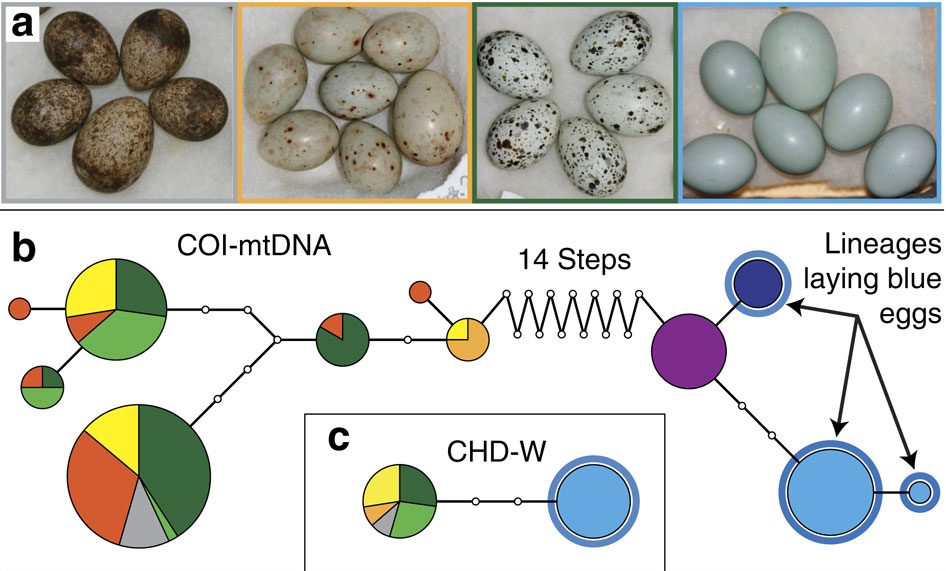
    Fig2Deler fra figur i Fossøy m.fl. (2016) som viser haplotype slektskap mellom gjøk som legger egg med forskjellig farge. DNA strekkoder (b) og deler av det hunn-spesifikke w-kromosomet (c).

    Hva er så koblingen til DNA strekkoder? Vel, den store genetiske forskjellen mellom gjøkpopulasjonene ble opprinnelig oppdaget med DNA strekkoder (COI) og utløste videre analyse med andre genetiske markører for å avsløre den evolusjonære historien til blå gjøkegg. I dette tilfellet skyldtes ikke de store genetiske ulikhetene mellom gjøkpopulasjoner kryptiske arter, men DNA strekkodedata bidro til å finne og plassere en interessant brikke i gjøkens evolusjonære puslespill.

    Fossøy, F. et al. 2016. Ancient origin and maternal inheritance of blue cuckoo eggs. Nature Communications 6:10272 doi: 10.1038/ncomms10272.


  • Ancient origin of blue cuckoo eggs

    How is egg color inherited in brood-parasitic common cuckoos (Cuculus canorus)? A study recently published in Nature Communications give answers, and has an interesting relationship to DNA barcodes.

    The authors, fronted by Frode Fossøy at the NTNU Department of Biology, analyzed both mitochondrial and nuclear markers in a wide geographical range of cuckoo populations including several closely related species. They found unambiguous evidence for maternal inheritance of egg coloration in the brood-parasitic Cuculus canorus. Moreover, they showed that the blue egg color of C. canorus parasites on redstarts (Phoenicurus phoenicurus) originated around 2.6 MYA, in an ancestral mitochondrial lineage shared between the subspecies C. c. canorus and C. c. bakeri. This lineage is genetically divergent from and even paraphyletic compared other C. canorus populations and related Cuculus species.

    Fig2Partial figure from Fossøy et al. (2016) showing haplotype relationship between C. canorus populations laying differently colored eggs. DNA barcodes (b) and part of female specific w-chromosome (c).

    So what is the relationship with DNA barcodes? Well, the deep genetic divergence between populations of C. c. canorus was initially detected through a decent library of partial COI-sequences (barcode region) and triggered further analysis of other markers to determine the evolutionary history of this phenomenon. This time, divergent DNA barcodes did not indicate cryptic species, but helped placing a most interesting piece in cuckoo evolution puzzle.

    Fossøy, F. et al. 2016. Ancient origin and maternal inheritance of blue cuckoo eggs. Nature Communications 6:10272 doi: 10.1038/ncomms10272.


  • DNA Barcode photo challenge!

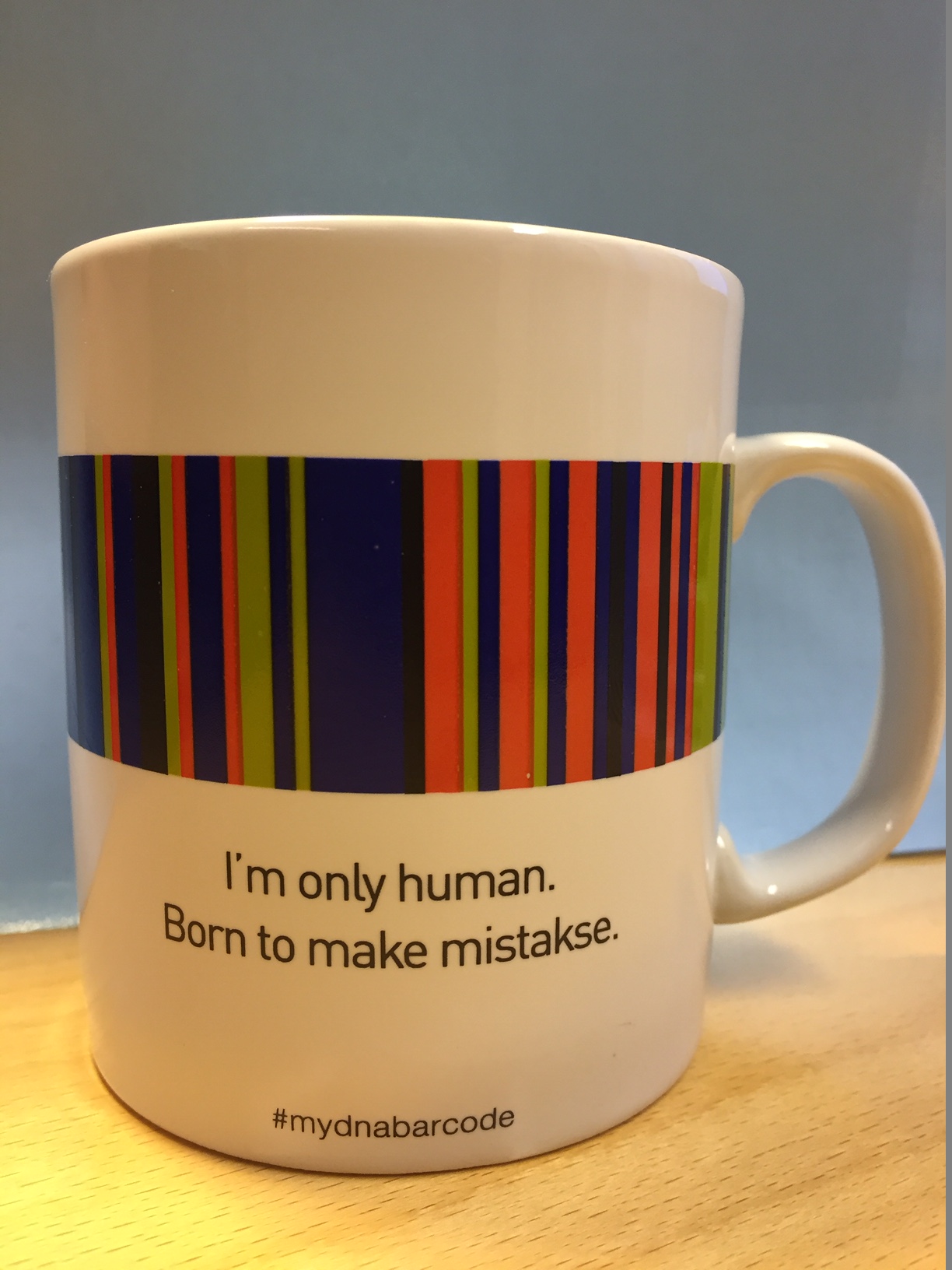
    Would you like to see your favorite DNA barcode photo on norbol.org? A beautiful (some think scary) photo has dominated our front page for a while, and it is time for a change. NorBOL is therefore inviting you to a photo/illustration challenge where the winner will have her/his contribution on the front page of norbol.org and receive a #mydnabarcode buff and a #mydnabarcode mug. Send your best photos or illustrations to Torbjørn by the 15th of February to participate. The image must be in landscape format and the winner will be chosen at the NorBOL steering group meeting on March 2. Good luck!

    IMG_0521

  • Fotokonkurranse!

    Et vakkert (og noen mener skummelt) bilde har preget forsiden til norbol.org i en god stund, og det er på tide med en utskiftning. NorBOL inviterer derfor til fotokonkurranse der vinneren får bildet sitt på forsiden av norbol.org, #mydnabarcode buff og #mydnabarcode krus. Send ditt beste forslag til Torbjørn innen 15. februar for å bli med i trekningen. Bildet eller illustrasjonen må være i landskapformat og vinneren kåres på styringsmøtet i NorBOL 2. mars. Lykke til!

    IMG_0521

Translate »